A routine dog health test can uncover parasites, infection, anemia, organ changes, and other concerns before your dog shows obvious symptoms. For most dogs, preventive testing includes regular fecal screening, annual heartworm and vector-borne disease testing, and bloodwork on a schedule based on age, lifestyle, and health history.
Testing is not about expecting something to be wrong. It is about creating a baseline for your dog and noticing meaningful changes early. Dogs often hide illness, and small shifts in laboratory results may appear before appetite, energy, thirst, or bathroom habits change.
This guide explains what common dog health tests check, how often dogs generally need them, and how to understand the results without jumping to conclusions.
What does a dog health test include?
“Dog health test” can describe several different diagnostic tests. No single panel checks everything. Your veterinarian may recommend one test or a combination depending on your dog’s age, symptoms, medications, and risk factors.
Common components include:
-
Fecal testing: Looks for intestinal parasites and certain protozoa.
-
Heartworm testing: Screens for heartworm infection.
-
Tick-borne disease testing: May screen for diseases such as Lyme disease, ehrlichiosis, or anaplasmosis.
-
CBC, or complete blood count: Evaluates red blood cells, white blood cells, and platelets.
-
Chemistry panel: Measures organ function, blood sugar, proteins, electrolytes, and other metabolic markers.
-
Urinalysis: Examines urine concentration, blood, protein, glucose, and signs of urinary disease.
-
Thyroid testing: Measures thyroid hormones when symptoms or age make thyroid disease a concern.
A comprehensive assessment may combine several of these tests. For example, Affordable Pet Labs’ Total Health Assessment for dogs includes a CBC, Chemistry 26 panel, T4 thyroid hormone testing, and heartworm testing.

How often should your dog have a health test?
The right schedule depends on your dog. A healthy puppy, an active adult who visits dog parks, and a senior dog taking daily medication do not have the same testing needs.
The following schedule provides a practical starting point.
How often should puppies be tested?
Puppies are more vulnerable to intestinal parasites. They also explore with their mouths and may have exposure to parasites before adoption.
The Companion Animal Parasite Council (CAPC) recommends:
- Fecal examinations at least four times during the first year of life.
- Testing coordinated with wellness and vaccination visits when possible.
- Year-round parasite prevention as recommended by your veterinarian.
- Additional testing if your puppy has diarrhea, poor growth, vomiting, or a swollen belly.
A puppy may need more than four tests if they came from a shelter or breeding environment, live with multiple pets, travel frequently, or have persistent gastrointestinal symptoms.
How often should healthy adult dogs be tested?
For healthy adult dogs, CAPC recommends fecal testing at least twice a year, or approximately every six months. Your dog may need testing more often if they:
- Visit dog parks, daycare, boarding facilities, or grooming salons.
- Hunt, eat wildlife, or drink from outdoor water sources.
- Live in a multi-pet household.
- Eat a raw or homemade diet.
- Travel to areas with different parasite risks.
- Have a history of parasites or recurring diarrhea.
- Live with young children, older adults, or immunocompromised family members.
CAPC also recommends annual heartworm testing for dogs. Tick-borne disease screening may be included based on your region and your dog’s exposure.
Routine bloodwork is not governed by CAPC in the same way parasite testing is. Many veterinarians use annual CBC, chemistry, and urinalysis testing as a baseline for adult dogs, then adjust the schedule according to the individual patient.
How often should senior dogs be tested?
Many dogs are considered senior around age 7, although breed and size matter. Large-breed dogs may enter their senior years earlier than small breeds.
Your veterinarian may recommend bloodwork and urinalysis every six to 12 months for a senior dog. More frequent testing may be appropriate when your dog:
- Has kidney, liver, thyroid, heart, or endocrine disease.
- Takes long-term medications.
- Has changes in thirst, urination, appetite, weight, or energy.
- Has a previous abnormal result that needs monitoring.
- Is preparing for anesthesia or surgery.
Regular testing gives your veterinarian a trend rather than a single snapshot. Trends can be especially helpful when a value remains technically “normal” but gradually moves in an unhealthy direction.
What does a CBC tell you about your dog?
A CBC is a complete blood count. It evaluates the cells circulating in your dog’s blood.
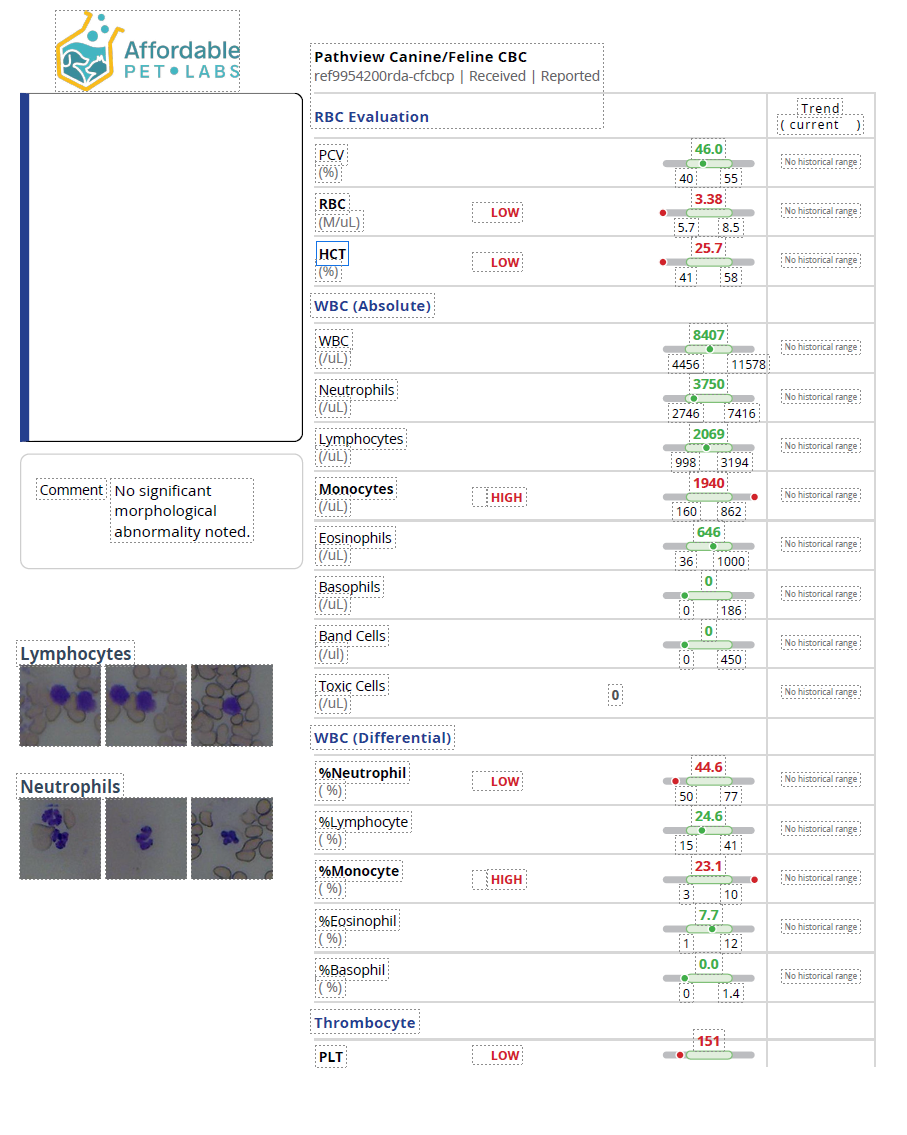
Key CBC components include:
-
Red blood cells, or RBCs: Carry oxygen throughout the body.
-
Hematocrit, or HCT: Shows the percentage of blood made up of red blood cells.
-
Hemoglobin: The oxygen-carrying protein inside red blood cells.
-
White blood cells, or WBCs: Participate in immune responses.
-
Neutrophils and lymphocytes: Important white blood cell types that may change with inflammation, infection, stress, or other conditions.
-
Platelets: Help blood clot.
A low red blood cell count or low hematocrit may indicate anemia, blood loss, chronic disease, nutritional problems, or other causes. A high value can occur with dehydration, among other possibilities.
An elevated white blood cell count may be associated with inflammation or infection, but it does not identify the cause by itself. A low count may reflect certain infections, medication effects, bone marrow problems, or immune conditions.
A platelet flag can be important, but platelets sometimes clump in a blood sample and create a falsely low automated result. Your veterinarian may recommend a manual smear review or repeat test.
What does a chemistry panel measure?
A chemistry panel evaluates substances related to organ function, metabolism, hydration, and electrolyte balance.
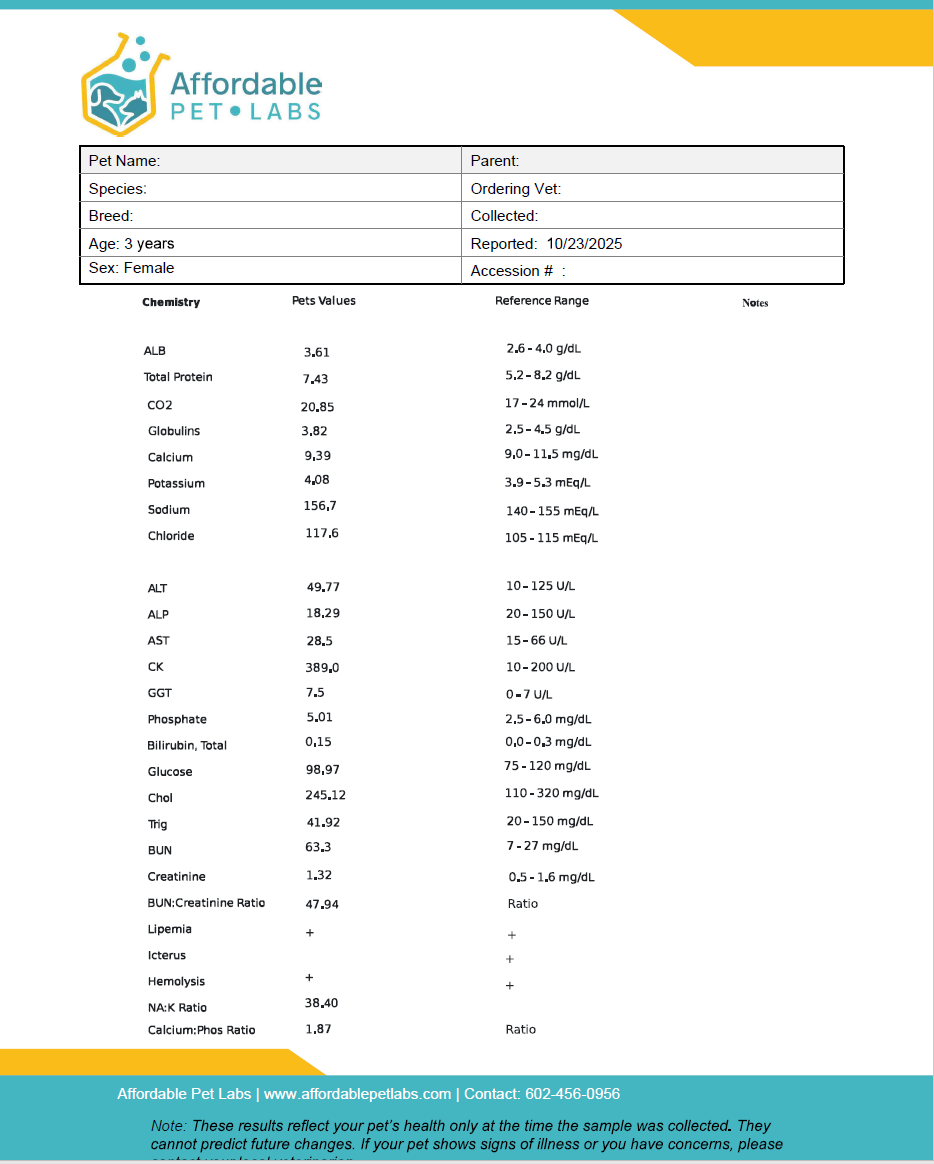
Common values include:
-
BUN, or blood urea nitrogen: A waste product affected by kidney excretion, hydration, diet, and other factors.
-
Creatinine: A waste product filtered primarily by the kidneys. It helps assess filtration, especially when interpreted with urine findings.
-
ALT, or alanine aminotransferase: An enzyme that can increase when liver cells are injured.
-
ALP, or alkaline phosphatase: An enzyme influenced by liver, bile duct, bone, medication, and hormonal factors.
-
Glucose: Blood sugar.
-
Albumin and total protein: Proteins that help provide information about nutrition, inflammation, fluid balance, and liver function.
-
Electrolytes such as sodium and potassium: Help regulate hydration, nerves, muscles, and heart function.
One abnormal value does not automatically mean your dog has a specific disease. For example:
- High BUN with normal creatinine may be related to dehydration, diet, or gastrointestinal bleeding rather than primary kidney disease.
- High BUN and creatinine together may suggest reduced kidney filtration, but hydration and urinalysis still matter.
- High ALT may indicate liver-cell injury, but it does not necessarily mean the liver has lost function.
- A mildly abnormal result may be temporary, sample-related, or insignificant when viewed alongside a healthy examination.
The AAHA guide to dog blood work offers additional background. Your veterinarian should interpret your pet’s specific results.
What can a urinalysis add to a dog health test?
Bloodwork and urinalysis work together. A urinalysis can show how concentrated your dog’s urine is and whether substances are present that should not be there.
It may evaluate:
-
Urine specific gravity: How concentrated the urine is.
-
Protein: May indicate urinary or kidney concerns, although context matters.
-
Glucose: Can occur with diabetes or other conditions.
-
Blood: May be associated with inflammation, stones, trauma, or sample collection.
-
Bacteria and cells: May support investigation of a urinary tract problem.
-
Urine pH and crystals: May provide clues about urinary chemistry and stone risk.
For example, a creatinine result cannot be interpreted fully without considering hydration and urine concentration. This is why veterinarians often combine a chemistry panel with urinalysis when evaluating kidney health.
How can you read your dog’s results like a pro?
Use these five habits when reviewing a report:
-
Start with the laboratory’s reference range.
Reference intervals vary by laboratory, analyzer, breed, age, and patient population. Use the range printed on your dog’s report rather than a range found in a random online chart.
-
Look for patterns, not isolated flags.
Several related values may provide more information than one mildly abnormal number.
-
Compare results over time.
A trend can reveal developing disease or show whether treatment is working.
-
Consider your dog’s symptoms and history.
Test results are not separate from the patient. Appetite, weight, drinking, urination, medications, and physical examination findings all affect interpretation.
-
Ask what should happen next.
Possible next steps include repeating the test, examining a blood smear, collecting a urine sample, performing imaging, or monitoring the value at a later date.
Do not diagnose your dog from a highlighted result alone. A flagged value means it falls outside that laboratory’s reference interval. It does not explain why.
Could a pet wellness plan help you stay on schedule?
Preventive care is easier to maintain when testing is planned instead of postponed. A PetWell+ Membership Plan may help eligible pet parents organize recurring diagnostics, consultations, and wellness support according to the plan’s current terms.
A wellness plan does not replace emergency care, a physical examination, or your primary veterinarian. Instead, it can make routine monitoring more accessible and help you keep important testing on your calendar.
For dogs who become anxious at the clinic, in-home collection may also reduce travel and waiting-room stress. Affordable Pet Labs offers home-visit options, including the Basic Health Assessment for dogs, which includes a CBC, Chemistry 16 panel, and heartworm testing.
When should you contact your veterinarian?
Schedule veterinary guidance promptly if your dog has abnormal results or symptoms such as:
- Repeated vomiting or diarrhea.
- Unexplained weight loss or gain.
- Increased thirst or urination.
- Pale gums, weakness, or collapse.
- Loss of appetite lasting more than a day.
- Coughing, breathing changes, or exercise intolerance.
- Blood in the urine or stool.
- Severe lethargy or sudden behavior changes.
A dog health test is most valuable when it leads to the right next conversation. With regular screening, careful interpretation, and support from your veterinary team, you can turn laboratory data into earlier answers and more confident care for your animal companion.