Dogs rarely announce that their joints hurt. Instead, arthritis may appear as a dog who is “just slowing down,” sleeping more, or quietly avoiding activities they once enjoyed.
The most important takeaway: dog arthritis symptoms are often subtle, and early changes in movement or behavior deserve a veterinary evaluation, not a wait-and-see approach.
Osteoarthritis, also called degenerative joint disease, is a chronic condition involving cartilage breakdown, inflammation, and changes inside the joint. It can affect senior dogs, but it is not limited to old age. Previous injuries, abnormal joint development, excess weight, and certain orthopedic conditions can all contribute.
According to Cornell University’s Riney Canine Health Center, early diagnosis and management can help many dogs remain comfortable and active for years.
Why do dogs hide arthritis pain?
A dog’s body is designed to protect its mobility. In the wild, showing weakness could make an animal more vulnerable. Even family dogs may instinctively conceal discomfort until the pain becomes more advanced.
That does not mean your dog is trying to deceive you. It means pain may show up through small changes rather than dramatic crying or severe limping.
Inside an arthritic joint:
- Protective cartilage becomes thinner or damaged.
- Joint fluid may become less effective at lubricating and cushioning movement.
- The bones and tissues around the joint can become inflamed.
- Pain and stiffness make your dog less willing to use the joint.
- Muscles may weaken when your dog consistently avoids certain movements.
These changes can create a gradual pattern. Your dog may not limp every day. They may simply take longer to stand, shorten their walk, or stop jumping into the car.
What are the six dog arthritis symptoms owners often miss?
1. Does your dog seem stiff after resting?
One of the earliest signs is stiffness after sleeping or lying down. Your dog may take several careful steps before moving normally.
You may notice:
- Difficulty rising from a bed or the floor.
- A stiff or awkward gait after a nap.
- A mild “warm-up” limp that fades after several minutes.
- Hesitation before sitting or lying down.
- More time needed to get comfortable.
A limp that improves with gentle movement is still worth mentioning to your veterinarian. It does not necessarily mean the problem is minor.
2. Is your dog avoiding stairs or the car?
Dogs with painful hips, knees, elbows, or shoulders often hesitate before activities that require pushing, jumping, or balancing.
Watch for your dog:
- Pausing at the bottom or top of stairs.
- Taking stairs one step at a time.
- Refusing to jump onto furniture.
- Hesitating before getting into the car.
- Waiting for you to lift them.
- Choosing a longer, flatter route through the home.
This reluctance can look like stubbornness. In many cases, it is a reasonable response to discomfort.
3. Is your dog slowing down or lagging behind?
A dog who once pulled ahead on walks may begin walking beside you or several steps behind. They may stop more often, turn around early, or lose interest in play.
Changes can include:
- Shorter walks.
- Less running or chasing.
- More frequent rests.
- Lagging behind on familiar routes.
- No longer greeting you at the door.
- Avoiding games that involve sudden turns or jumping.
The change may be especially easy to miss if it develops over several months. Compare your dog’s current stamina with their usual behavior, not with another dog’s activity level.
4. Is your dog shifting weight or favoring one side?
Dogs often redistribute their weight to reduce pressure on a painful joint. This can be subtle. You might see your dog standing unevenly, placing more weight on the front legs, or favoring one rear leg.
Look for:
- Weight shifting from one side to the other.
- A change in standing posture.
- A shortened stride.
- A “bunny-hop” motion with the back legs.
- Less muscle along one thigh or shoulder.
- A new reluctance to turn tightly.
These signs may also occur with ligament injuries, neurologic problems, or other orthopedic conditions. That is why a veterinary examination matters.

5. Is your dog licking or chewing one joint?
Repeated licking, chewing, or rubbing around a knee, hip, elbow, or paw can indicate discomfort. Your dog may focus on one specific area rather than appear generally unwell.
Check for:
- A saliva-stained patch of fur.
- Red or irritated skin.
- Thinning hair around a joint.
- Repeated licking when your dog is resting.
- Sensitivity when you approach the area.
Do not force your dog’s joint to bend or massage it aggressively. A painful dog may react defensively, even if they are normally gentle.
6. Has your dog’s behavior changed?
Pain often appears first as a personality change. Your dog may sleep more, withdraw from family activities, or become less tolerant of handling.
Possible behavior changes include:
- Irritability or unusual grumpiness.
- Growling when touched near a painful area.
- Less interest in toys or affection.
- Sleeping more than usual.
- Withdrawing from family time.
- Becoming restless at night.
- Changes in appetite or general engagement.
A behavior change does not prove arthritis. Dental disease, endocrine disorders, infection, and other health problems can cause similar symptoms. A veterinary evaluation helps separate joint pain from other causes.
How is arthritis diagnosed in dogs?
A dog health test alone cannot diagnose osteoarthritis. Diagnosis usually begins with your veterinarian reviewing your dog’s history and performing a hands-on examination.
Your veterinarian may:
- Ask when the changes began.
- Watch your dog walk and turn.
- Evaluate gait and weight bearing.
- Palpate, or gently feel, the joints.
- Check range of motion.
- Look for swelling, pain, or muscle loss.
- Recommend X-rays of suspected joints.
X-rays can show changes such as bone remodeling, joint-space changes, or bone spurs. However, X-ray findings do not always match the level of pain a dog experiences. Your veterinarian considers the images alongside your dog’s movement, behavior, and examination findings.
Advanced imaging or joint-fluid testing may be recommended when the diagnosis is unclear or when another condition, such as an injury or immune-mediated joint disease, is suspected.
Why might bloodwork be recommended for a dog with arthritis?
Bloodwork does not directly confirm arthritis. It helps your veterinarian look for other causes of slowing down and establish whether your dog is healthy enough for certain treatments.
Common testing may include:
-
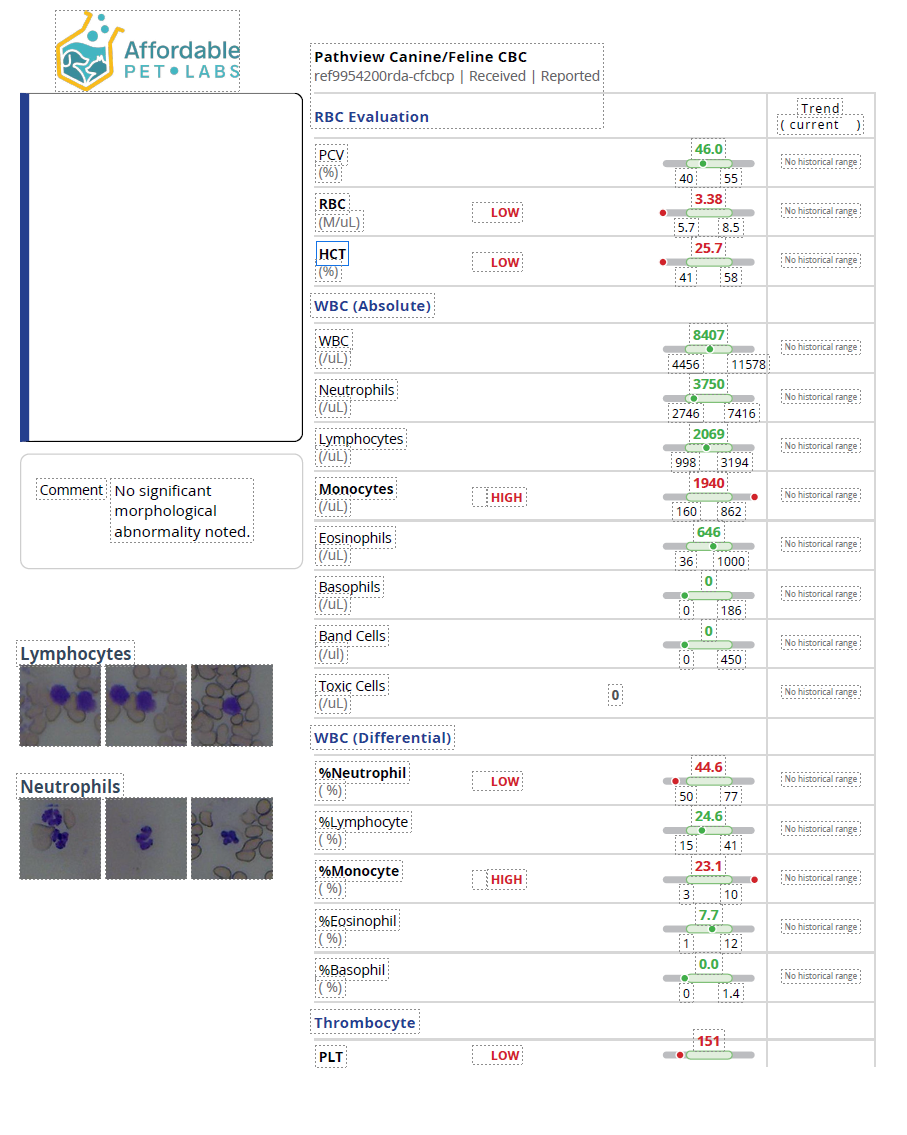
CBC, or complete blood count: Evaluates red blood cells, white blood cells, and platelets. It can help identify anemia, infection, or patterns that may suggest systemic inflammation.
-
Chemistry panel: Checks organ-related values, including kidney and liver function, blood sugar, proteins, and electrolytes.
-
Urinalysis: Provides additional information about kidney health and hydration.
-
Inflammation-related testing: May be considered when the clinical picture suggests a broader inflammatory or immune-related condition.
Bloodwork is especially important before starting long-term nonsteroidal anti-inflammatory drugs, commonly called NSAIDs. These medications can improve comfort and mobility, but they may affect the gastrointestinal tract, liver, or kidneys in some dogs.
Many veterinarians obtain baseline bloodwork before treatment and repeat testing periodically during ongoing medication use. Monitoring may be more frequent for senior dogs or dogs with existing health concerns. If results change, your veterinarian may adjust the dose, choose another medication, or recommend a different treatment plan.
Affordable Pet Labs offers in-home canine health assessments that include a CBC and chemistry panel, with additional testing such as T4 and heartworm screening. A more focused Basic Health Assessment includes a CBC, Chemistry 16 panel, and heartworm test. These services bring veterinary-professional sample collection into your home, where many anxious dogs are more comfortable.

What can you do to help a dog with arthritis?
Your veterinarian will create the treatment plan, but daily home care can make a meaningful difference.
Can weight management reduce joint strain?
Yes. Maintaining a lean body condition is one of the most important steps you can take. Extra weight increases mechanical stress on painful joints, and fat tissue can contribute to inflammation.
Ask your veterinarian to evaluate your dog’s body condition and recommend:
- A safe calorie target.
- Appropriate treats.
- A gradual weight-loss goal.
- A diet that supports overall health.
- Regular weigh-ins.
Do not place your dog on a rapid weight-loss plan without veterinary guidance.
What exercise is joint-friendly?
Complete rest can lead to more stiffness and muscle loss. Controlled, low-impact movement is usually more helpful.
Depending on your veterinarian’s advice, consider:
- Short, consistent leash walks.
- Gentle swimming.
- Slow exercises on level ground.
- Avoiding sudden jumping and sharp turns.
- Gradually increasing activity rather than doing one long outing.
Physical rehabilitation may also help improve strength, balance, and range of motion.
How can you make your home safer?
Small changes can reduce slipping and unnecessary strain:
- Place nonslip rugs on smooth floors.
- Use ramps for cars or elevated areas.
- Provide a supportive, padded bed.
- Keep food and water easy to reach.
- Trim nails to improve traction.
- Block access to steep stairs when needed.
- Keep walks and bathroom trips predictable.
When should you call the veterinarian?
Schedule an appointment if you notice any of the six signs, especially when changes are persistent or progressive. Bring notes or short videos of your dog walking, rising, using stairs, or getting into the car. These details can help your veterinarian identify patterns that may not appear during a brief clinic visit.
Seek urgent veterinary care if your dog:
- Suddenly cannot stand or walk.
- Cries out or appears severely painful.
- Has sudden weakness or collapse.
- Develops repeated vomiting or diarrhea.
- Has black, tarry stool or visible blood.
- Shows a serious reaction after starting medication.
Never give your dog ibuprofen, naproxen, or another human pain reliever unless your veterinarian specifically instructs you to do so.
Arthritis management is not about accepting that your dog is “just getting old.” It is about recognizing quiet changes, checking for the true cause, and building a plan that protects comfortable movement. With veterinary guidance, appropriate testing, weight management, and a few practical home adjustments, many dogs can continue enjoying their walks, routines, and family time for years.
This article is for educational purposes and does not replace a veterinary examination, diagnosis, or treatment plan.
Sources and further reading