A slower dog, a thicker waist, or a thinning coat can look like a normal part of getting older. Sometimes it is. But dog thyroid problems can create the same changes, and hypothyroidism is manageable when it is identified and treated correctly.
The thyroid is a small gland in your dog’s neck. It produces hormones that help set the body’s metabolic rate, or the speed at which the body uses energy. When the thyroid produces too little hormone, many body systems slow down. That is why thyroid disease can affect your dog’s weight, energy, skin, coat, temperature tolerance, and even facial appearance.
What are the most common dog thyroid problems?
The most common thyroid disorder in dogs is hypothyroidism, which means the thyroid is underactive. It is most often diagnosed in middle-aged dogs, although younger and older dogs can also develop it.
Hypothyroidism usually develops gradually. You may notice one mild change at first. Months later, several symptoms may appear together.
Common dog thyroid symptoms include:
- Weight gain without a clear increase in food
- Low energy or reluctance to exercise
- Seeking warm places
- Hair thinning or symmetrical hair loss
- Recurrent skin or ear infections
- Slow healing or slow hair regrowth
- A heavy, puffy, or “tragic” facial expression
These signs do not prove your dog has a thyroid disorder. They do suggest that a conversation about veterinary diagnostics may be worthwhile.

Could your dog’s weight gain be a thyroid symptom?
1. Unexplained weight gain despite unchanged food
A dog with hypothyroidism may gain weight even though you have not increased their meals or treats. Their appetite may stay the same or even decrease.
This happens because low thyroid hormone slows metabolism. Your dog’s body uses fewer calories for normal functions, so the same amount of food can gradually become more than they need.
Weight gain can also result from:
- Reduced activity
- Overfeeding
- Treats and table scraps
- Age-related muscle loss
- Certain medications
- Diabetes or other hormonal conditions
- Fluid retention or other illness
A body condition assessment and blood testing can help separate ordinary calorie imbalance from a medical cause.
Is your dog simply getting lazy with age?
2. Lethargy and reluctance to exercise
Dogs with low thyroid hormone may sleep more, tire quickly, or stop showing interest in activities they once enjoyed. Your dog may still seem comfortable, but walks become shorter and play sessions become less frequent.
Pet parents often blame this on aging. However, a noticeable change in stamina deserves attention, especially when it occurs with weight gain or coat changes.
Look for patterns such as:
- Taking longer to rise from bed
- Stopping during familiar walks
- Avoiding stairs or jumping
- Sleeping more than usual
- Losing interest in toys
- Recovering slowly after mild exercise
Joint disease and heart, kidney, or metabolic problems can cause similar signs. A full dog health test can help your veterinarian look beyond the thyroid alone.
Why is your dog always looking for warm spots?
3. Cold intolerance and heat-seeking behavior
A dog with hypothyroidism may feel cold more easily than before. You may find them sleeping near a heater, burrowing under blankets, or avoiding cool floors.
This symptom connects directly to metabolism. Metabolism produces energy and heat. When metabolic activity slows, your dog may have more difficulty maintaining normal body warmth.
Cold-seeking behavior can be subtle. Pay attention if your dog:
- Shivers indoors
- Wants a blanket when other pets do not
- Avoids going outside in cool weather
- Sleeps pressed against warm surfaces
- Seems uncomfortable after grooming or bathing
Cold intolerance by itself is not enough to diagnose thyroid disease. It becomes more meaningful when several symptoms occur together.
Why has your dog’s coat changed?
4. Dull coat, thinning hair, or symmetrical hair loss
Coat changes are among the most recognizable skin-related dog thyroid symptoms. Hypothyroidism can cause hair to become dry, brittle, dull, or slow to regrow after clipping.
Hair loss often appears symmetrically on both sides of the body. Common areas include:
- The flanks
- The trunk
- The tail, sometimes creating a “rat tail” appearance
- The back of the hind legs
- The collar area
- The underside of the body
The head and legs may be spared. Unlike many allergies, thyroid-related hair loss is not usually intensely itchy unless a secondary infection is present.
Other causes of hair loss include allergies, parasites, hormonal disease, nutritional problems, and infection. Your veterinarian may need skin testing as well as blood work.
Are recurring infections more than a skin problem?
5. Repeated skin and ear infections
Low thyroid hormone can affect the skin’s normal barrier and oil production. Some dogs develop oily, scaly, thickened, or darkened skin. This can make secondary bacterial or yeast infections more likely.
You may notice:
- A musty or unpleasant odor
- Red or irritated skin
- Greasy fur
- Flaking or scaling
- Repeated hot spots
- Red, painful, or smelly ears
- Frequent need for antibiotics or ear medication
Recurring infections do not automatically mean hypothyroidism. Allergies are common, and allergies themselves can lead to chronic ear and skin disease. Still, if infections keep returning alongside weight gain, low energy, or symmetrical hair loss, thyroid testing may help complete the picture.
Does your dog take longer to heal?
6. Slow healing and slow hair regrowth
Some dogs with thyroid disease heal more slowly from minor skin injuries, infections, or surgical sites. Hair may also take much longer to return after clipping.
Slow healing has many possible causes, including:
- Infection
- Poor circulation
- Diabetes
- Immune problems
- Nutritional deficiencies
- Certain medications
- Chronic inflammation
- Low thyroid function
This is one reason a single thyroid value should not be interpreted in isolation. A chemistry panel can help evaluate glucose, proteins, kidney markers, liver enzymes, and other factors that influence healing.
Why does your dog look sad or puffy?
7. A heavy or “tragic” facial expression
Hypothyroidism can cause thickening of the skin and soft tissues around the face. The result may be a puffy appearance, drooping eyelids, or a heavy expression that some veterinarians describe as “tragic.”
This does not mean your dog is sad. It is a physical change.
You may also notice:
- A broader-looking face
- More pronounced skin folds
- Thickened skin around the eyes or forehead
- Darkening of the skin
- A generally tired or solemn appearance
Facial changes are more useful when considered with the other symptoms on this list. Your dog’s expression alone cannot diagnose thyroid disease.
Is hyperthyroidism the same in dogs and cats?
Not usually. Hypothyroidism is the common thyroid problem in dogs. Hyperthyroidism is far more common in cats, particularly middle-aged and senior cats.
Instead of slowing the metabolism, hyperthyroidism speeds it up. A cat with hyperthyroidism may show:
- Weight loss despite a strong or ravenous appetite
- Restlessness or unusual activity
- Night yowling
- Vomiting or diarrhea
- Increased thirst and urination
- A fast heart rate
- A scruffy or unkempt coat
Hyperthyroidism is one of the most treatable conditions in senior cats, but it can affect the heart, blood pressure, and other organs if left unmanaged. Senior cats with weight loss or behavior changes should be screened with veterinary guidance.
Which thyroid blood tests matter?
A thyroid evaluation usually starts with total T4, also called total thyroxine. T4 is the primary thyroid hormone measured in many screening panels.
Depending on your dog’s symptoms and initial results, your veterinarian may also consider:
-
Free T4: The unbound portion of T4 that is available to tissues. It can provide additional information when total T4 is borderline.
-
TSH: Thyroid-stimulating hormone, produced by the pituitary gland to signal the thyroid. A high TSH combined with low thyroid hormone levels can support a diagnosis of primary hypothyroidism.
-
Additional thyroid markers: Some cases require a broader panel or thyroid antibody testing.
A single borderline T4 does not tell the whole story. Illness elsewhere in the body, medications, breed differences, and stress can affect thyroid results. Dogs with non-thyroid illness may have low thyroid hormone levels without having true hypothyroidism. This is sometimes called euthyroid sick syndrome.
That is why thyroid values should be interpreted alongside:
- Your dog’s symptoms
- Age and breed
- Physical examination findings
- Medication history
- CBC results
- Chemistry panel results
- Urinalysis, when appropriate
- Repeat or confirmatory testing

Why should thyroid results be read with a full chemistry panel?
Thyroid symptoms overlap with many other health conditions. A full chemistry panel provides important context.
For example, chemistry testing can help evaluate:
- Kidney function
- Liver enzymes
- Blood glucose
- Electrolytes
- Proteins
- Calcium and phosphorus
- Other metabolic changes
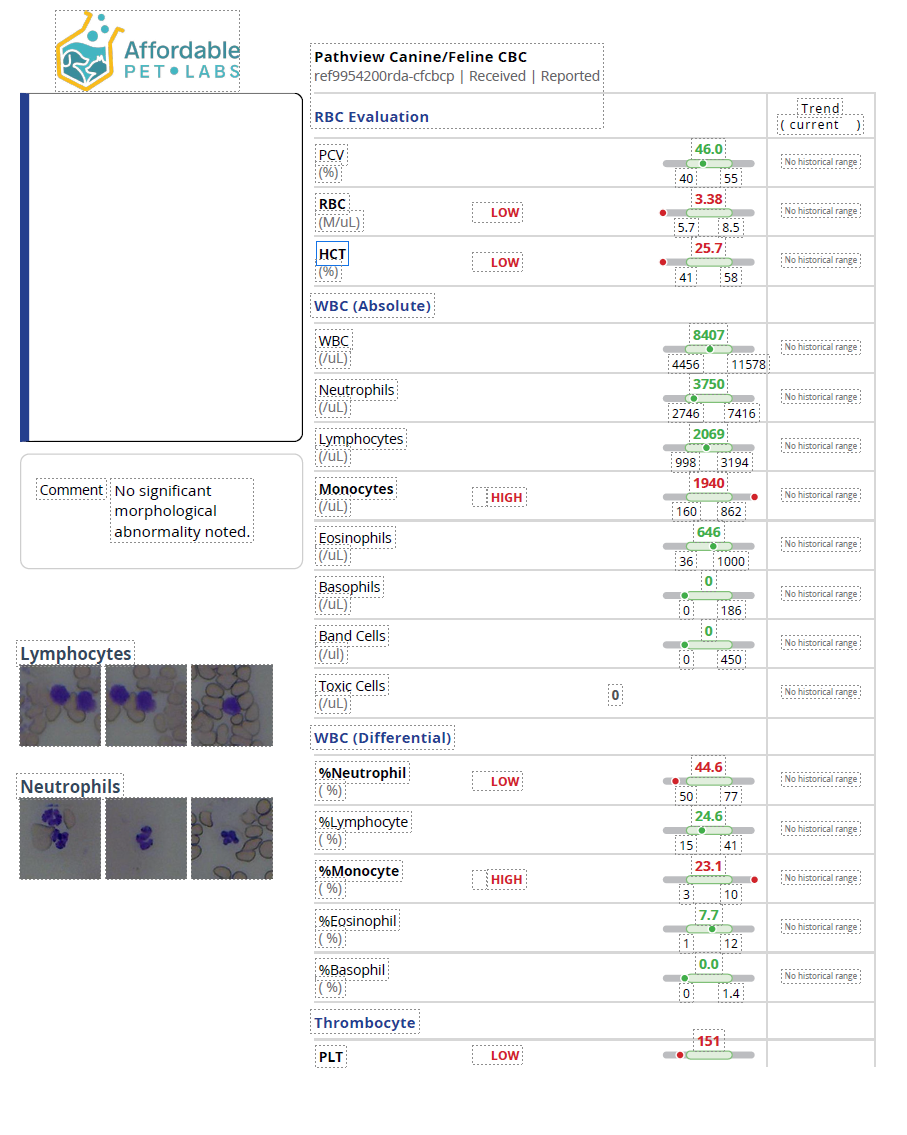
A CBC, or complete blood count, evaluates red blood cells, white blood cells, and platelets. It can provide clues about anemia, inflammation, infection, or immune activity.
Affordable Pet Labs’ Total Health Assessment for dogs includes a CBC, Chemistry 26 panel, T4 thyroid hormone testing, and heartworm testing. A single in-home blood collection can provide broader information than a thyroid value alone.
How much does a dog blood test cost?
The answer depends on which tests your dog needs, how the sample is collected, your location, and whether an examination or additional services are included.
When comparing dog blood test cost, ask:
- Is total T4 included?
- Are free T4 or TSH available when indicated?
- Is a CBC included?
- Is a chemistry panel included?
- Is blood collection included?
- Are laboratory fees and shipping included?
- How quickly will results be returned?
- Can your veterinarian review the report?
Affordable Pet Labs offers a Canine Thyroid Disease Tracker with in-home blood collection by certified veterinary phlebotomists and reported results within approximately 3–5 business days. Availability varies by location, and your veterinarian should help determine which panel is appropriate.
At-home testing can be especially helpful for anxious dogs, senior pets, or families who want veterinary-quality diagnostics without the stress of a clinic visit. It does not replace a physical examination when your dog is sick or experiencing an emergency.
What happens if your dog is diagnosed with hypothyroidism?
Treatment typically involves prescription thyroid hormone replacement, commonly levothyroxine. The dose is based on your dog’s needs and must be prescribed by a veterinarian.
Treatment usually requires:
- Giving medication consistently
- Rechecking thyroid levels after treatment begins
- Adjusting the dose when needed
- Monitoring energy, weight, skin, and coat changes
- Continuing periodic veterinary follow-up
Many dogs show improved energy within weeks. Skin and coat recovery may take longer. Because too much thyroid hormone can also cause problems, do not start, stop, or change medication without veterinary direction.
If your dog’s “aging” changes include weight gain, low energy, cold-seeking behavior, coat loss, recurring infections, slow healing, or a heavy facial appearance, ask whether thyroid testing belongs in the next workup. Early information gives you and your veterinarian more options, and can help your animal companion feel like themselves again.
This article is for educational purposes only and does not replace veterinary diagnosis or treatment. If your pet is weak, collapsing, having trouble breathing, vomiting repeatedly, or rapidly worsening, seek urgent veterinary care.